Las Vegas, NV Neighborhood Guide
Welcome to Las Vegas, Nevada, a city known around the world for entertainment, dining, hospitality, and desert scenery. While the Strip is the image most people recognize, everyday life in Las Vegas extends far beyond the resort corridor. The city is home to established residential neighborhoods, master-planned communities, creative districts, parks, trails, shopping centers, local restaurants, and scenic mountain views.
Living in Las Vegas means having access to city energy and outdoor space in the same place. Residents can spend the morning hiking near Red Rock Canyon, meet friends for dinner in the Arts District, shop in Summerlin, or enjoy a quiet evening in a northwest valley neighborhood. The city offers a wide range of lifestyles, from high-rise living and walkable downtown blocks to suburban communities with parks, schools, and mountain backdrops.
For buyers exploring the Las Vegas real estate market, the city’s variety is one of its biggest strengths. Some neighborhoods feel polished and planned, while others offer historic charm, creative energy, or quieter desert surroundings. This guide breaks down the history, lifestyle, recreation, dining, shopping, and popular neighborhoods that help define Las Vegas living.
| Key Facts about Las Vegas, NV | |
|---|---|
| County | Clark County |
| Founded | 1905, when railroad land near what is now downtown Las Vegas was auctioned |
| Incorporated | 1911 |
| Population | About 679,817 residents based on recent Census estimates |
| Known For | Entertainment, dining, sports, hospitality, desert recreation, resort amenities, and diverse residential neighborhoods |
| Popular Residential Areas | Summerlin, Downtown Las Vegas, Arts District, Centennial Hills, Lone Mountain, Skye Canyon, Desert Shores, and The Lakes |
| Outdoor Access | Red Rock Canyon, Floyd Lamb Park, Lone Mountain, Tule Springs Fossil Beds, Mount Charleston access, and local parks throughout the city |
| Main Roads | I-15, US-95, 215 Beltway, Summerlin Parkway, Charleston Boulevard, Sahara Avenue, and Las Vegas Boulevard |
Las Vegas Lifestyle Snapshot
History & Heritage of Las Vegas, NV
Las Vegas has a layered history shaped by water, railroads, desert expansion, entertainment, and constant reinvention. Long before the city became a global destination, the area served as an important desert stopping point because of its natural springs. Those water sources made the valley valuable to travelers crossing the Mojave Desert and helped give Las Vegas its name, which means “the meadows” in Spanish.
The modern city began to take shape in 1905, when railroad land near present-day downtown was auctioned and Las Vegas was established as a railroad town. Its early growth was tied closely to transportation, trade, and the movement of people through Southern Nevada. In 1911, Las Vegas incorporated as a city, creating the civic foundation for the growth that would follow.
The 1930s brought major change. Hoover Dam drew thousands of workers to the region, while Fremont Street began developing into a bright commercial and entertainment corridor. Over the following decades, hotels, casinos, military installations, highways, and tourism helped transform Las Vegas from a small desert community into one of the most recognizable cities in the world.
Today, Las Vegas continues to evolve beyond its visitor economy. Downtown revitalization, professional sports, master-planned communities, new restaurants, arts districts, and expanding residential areas have added depth to the city’s identity. For residents, Las Vegas is not just a tourism capital. It is a place with neighborhood pride, local culture, desert beauty, and a strong sense of forward momentum.
Local insight: Las Vegas is often known for the Strip, but many of its most livable areas sit outside the resort corridor. Neighborhoods such as Summerlin, Centennial Hills, Lone Mountain, Skye Canyon, Desert Shores, and The Lakes offer a more residential side of the city with parks, schools, shopping, trails, and everyday convenience.
Local Parks and Recreation
Outdoor living is a major part of life in Las Vegas. The desert setting gives residents access to hiking, biking, climbing, golf, sports fields, walking paths, and scenic open spaces. The city also maintains more than 100 parks and recreation facilities, making it easier for residents to find outdoor space close to home.
Northwest Las Vegas is especially strong for parks and trail access, with destinations like Floyd Lamb Park, Centennial Hills Park, and Lone Mountain Park offering room to walk, picnic, play, and enjoy mountain views. West of the city, Red Rock Canyon brings dramatic desert scenery, hiking routes, climbing areas, cycling routes, and a refreshing escape from the urban core.
Floyd Lamb Park
A 680-acre oasis in northwest Las Vegas with lakes, wildlife, historic ranch buildings, picnic areas, open space, and views of nearby mountain ranges.
Centennial Hills Park
A large regional park with an all-abilities playground, open lawns, picnic areas, trails, and community gathering spaces in the northwest valley.
Lone Mountain Park
A popular recreation area near Lone Mountain with trail access, athletic fields, picnic areas, equestrian-friendly surroundings, and scenic desert views.
Lorenzi Park
One of the city’s classic public parks, offering open lawns, water features, sports courts, playgrounds, and a long-standing neighborhood feel.
Bruce Trent Park
A local favorite with open space, walking areas, fitness features, event space, and a weekly farmers market that supports the community feel.
Red Rock Canyon
Located just west of Las Vegas, this scenic desert landmark offers hiking, climbing, cycling, photography, and some of the area’s most iconic views.
Dining and Shopping Destinations
Las Vegas has one of the most varied dining and shopping scenes in the country. Residents can enjoy high-end resort restaurants, casual neighborhood spots, chef-driven local concepts, international dining corridors, farmers markets, outdoor shopping districts, and creative small businesses. The city’s food scene is not limited to the Strip. Many locals spend more time in places like Chinatown, the Arts District, Downtown Summerlin, and neighborhood dining centers throughout the valley.
Shopping is just as varied. Some areas offer luxury retail and resort-style shopping, while others focus on practical everyday access. Downtown Summerlin gives residents a walkable outdoor shopping and dining district, while the Arts District offers galleries, vintage shops, cafes, and local businesses. Chinatown and Spring Mountain Road are known for international dining and specialty markets, and downtown Las Vegas brings nightlife, restaurants, public art, and historic character together.
| Destination | What You’ll Find | Best For |
|---|---|---|
| Downtown Summerlin | Outdoor shopping, dining, entertainment, offices, Las Vegas Ballpark, City National Arena, and everyday services. | Walkable shopping, dining, and convenience near master-planned communities |
| Downtown Las Vegas | Historic casinos, restaurants, bars, live music, public art, Fremont Street, and a growing residential scene. | Nightlife, historic city character, and urban energy |
| Las Vegas Arts District | Galleries, vintage stores, murals, cafes, breweries, cocktail bars, local restaurants, and monthly community events. | Creative culture, local dining, and a more independent neighborhood feel |
| Chinatown and Spring Mountain Road | Asian restaurants, bakeries, markets, late-night dining, hot pot, ramen, Korean barbecue, dessert shops, and international cuisine. | Food lovers, late-night dining, and international flavors |
| Fashion Show Las Vegas | Designer stores, national retailers, restaurants, and convenient access to the resort corridor. | Retail, dining, and Strip convenience |
Whether you prefer a quiet neighborhood cafe, a walkable retail district, a chef-driven dinner, or a lively downtown night out, Las Vegas offers options for nearly every taste and lifestyle.
Popular Neighborhoods
Las Vegas is not a one-size-fits-all city. Its neighborhoods vary widely by location, lifestyle, age of housing, views, amenities, commute patterns, and community design. Some buyers prefer the master-planned feel of Summerlin or Skye Canyon. Others want the creativity and walkability of the Arts District or the downtown core. Buyers looking for space and quiet may be drawn to Centennial Hills, Lone Mountain, Desert Shores, or The Lakes.
Understanding these differences is important because two homes in Las Vegas can offer very different day-to-day experiences. One may place you near desert trails and mountain views, while another may offer restaurants, entertainment, and nightlife within minutes. The right neighborhood often comes down to whether you prioritize walkability, schools, outdoor access, newer construction, privacy, or a shorter commute.
| Neighborhood | Community Feel | Why Buyers Like It |
|---|---|---|
| Summerlin | Master-planned, polished, amenity-rich | Parks, trails, golf, shopping, dining, schools, Red Rock Canyon access, and a strong suburban lifestyle |
| Downtown Las Vegas | Urban, historic, energetic | Restaurants, nightlife, entertainment, historic buildings, walkability, and access to the city’s cultural core |
| Arts District | Creative, local, walkable | Galleries, murals, vintage shops, local dining, breweries, cafes, and a distinct neighborhood identity |
| Centennial Hills | Spacious, suburban, growing | Newer homes, larger parks, shopping centers, northwest valley access, and a quieter residential feel |
| Lone Mountain | Scenic, relaxed, outdoorsy | Trail access, mountain views, larger residential lots, and a calmer setting away from the busiest parts of the city |
| Skye Canyon | Newer, active, community-focused | Modern homes, trails, parks, fitness amenities, mountain access, and a planned community atmosphere |
| Desert Shores | Established, scenic, residential | Lakes, walking paths, mature landscaping, and a quieter community feel in northwest Las Vegas |
| The Lakes | Established, peaceful, convenient | Waterfront-style scenery, mature neighborhoods, access to Summerlin, and proximity to west-side shopping and dining |
Each of these neighborhoods offers a different version of Las Vegas living. Summerlin often appeals to buyers who want a complete master-planned environment. Downtown and the Arts District attract residents who want energy, culture, and a more urban rhythm. Centennial Hills and Skye Canyon offer newer growth and more space in the northwest valley, while Lone Mountain, Desert Shores, and The Lakes provide a quieter residential feel with strong access to outdoor recreation and local conveniences.
Schools, Community Life, and Everyday Convenience
For many residents, Las Vegas works because it combines big-city amenities with neighborhood-level convenience. Families, professionals, retirees, and second-home buyers can all find areas that match their daily routines. Some neighborhoods are built around schools, parks, sports fields, and community centers. Others are shaped more by walkability, dining, nightlife, or proximity to employment corridors.
The Clark County School District serves the broader Las Vegas area, and the city also offers access to private schools, charter schools, higher education options, libraries, recreation programs, and youth sports. Buyers with school needs often compare neighborhoods carefully, since school zoning and commute patterns can influence the right fit.
Everyday convenience is also a major draw. Many residential areas have nearby grocery stores, fitness centers, medical offices, restaurants, coffee shops, and retail centers. Major roadways such as I-15, US-95, the 215 Beltway, and Summerlin Parkway help connect different parts of the valley, making it easier for residents to move between home, work, entertainment, and outdoor recreation.
Las Vegas Real Estate Overview
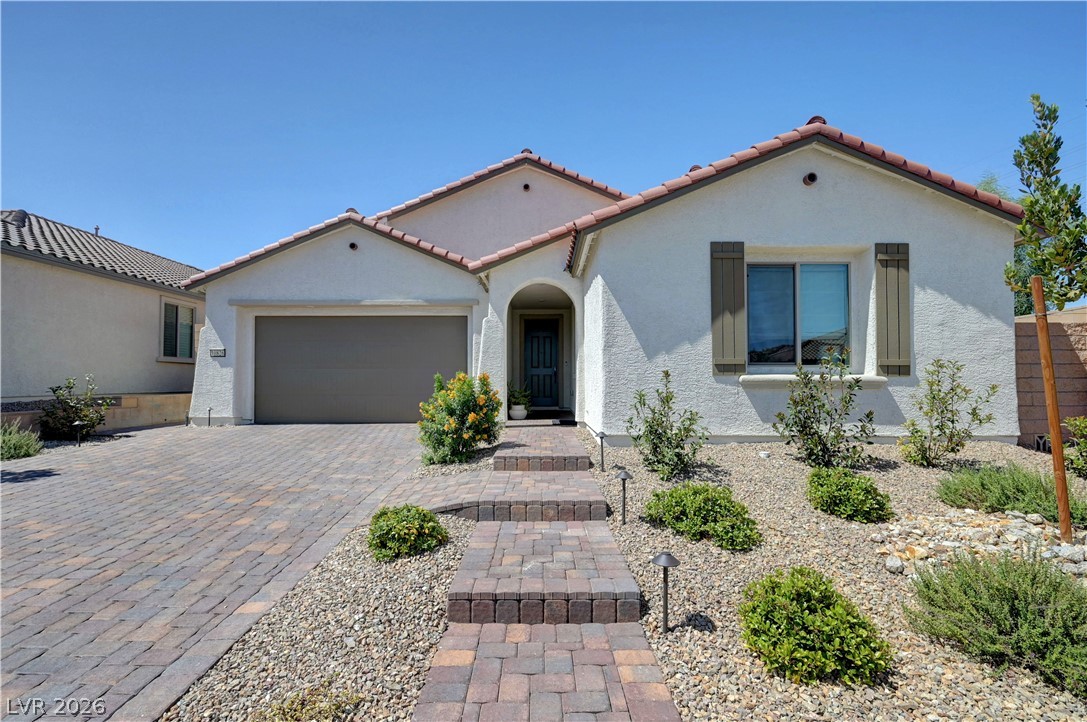
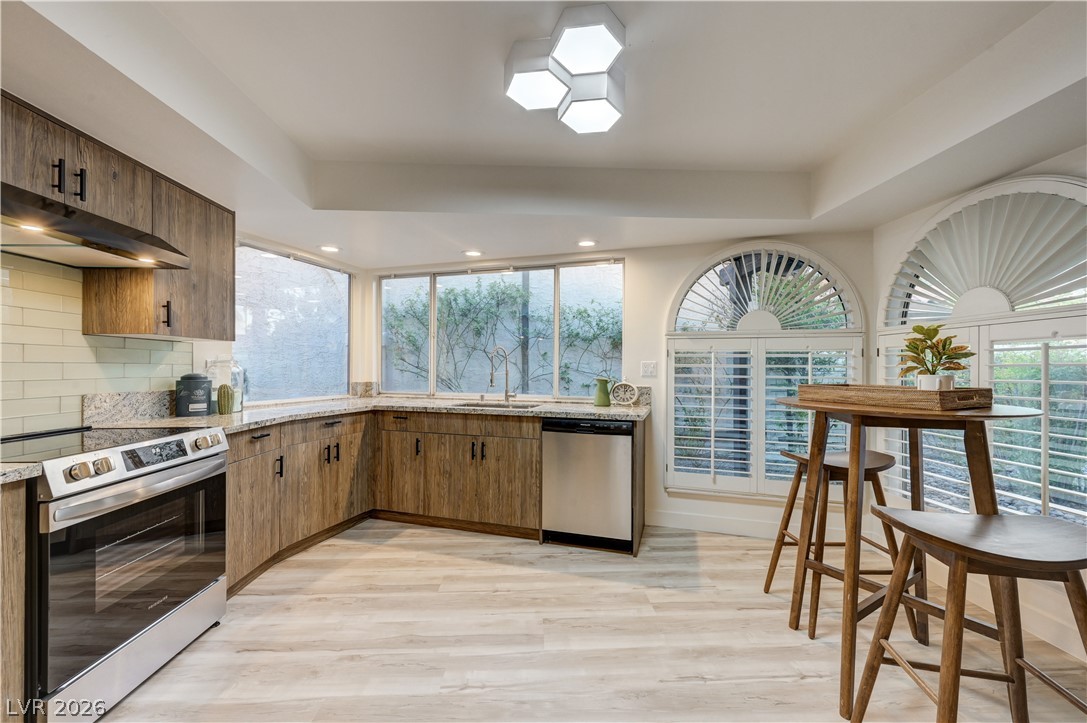
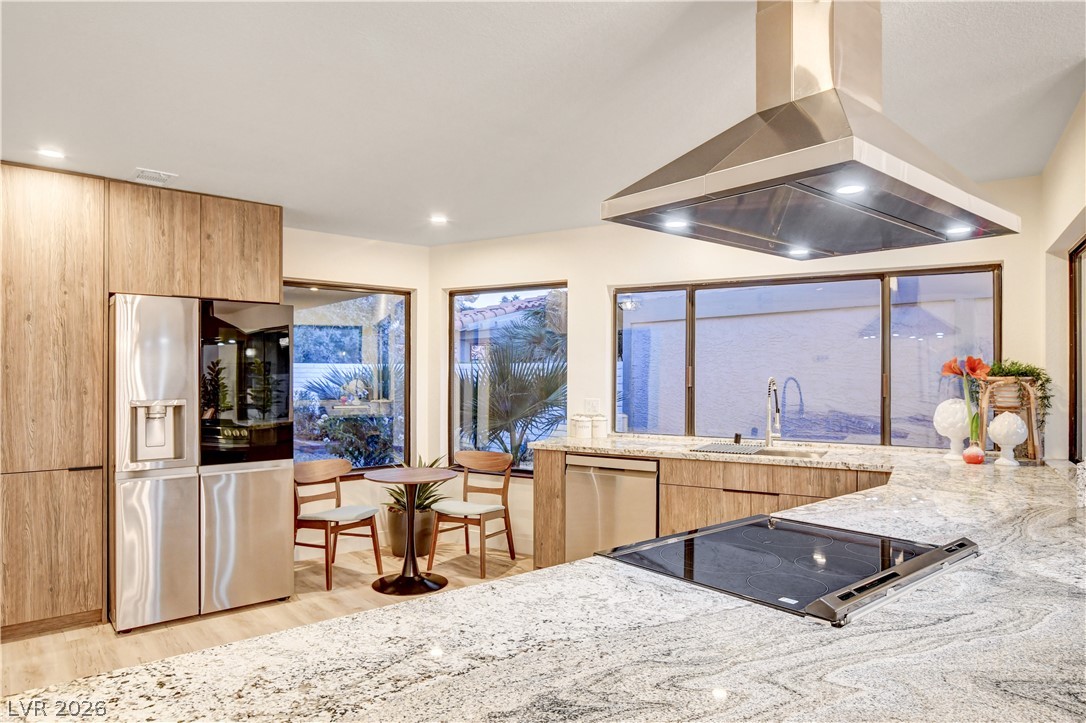
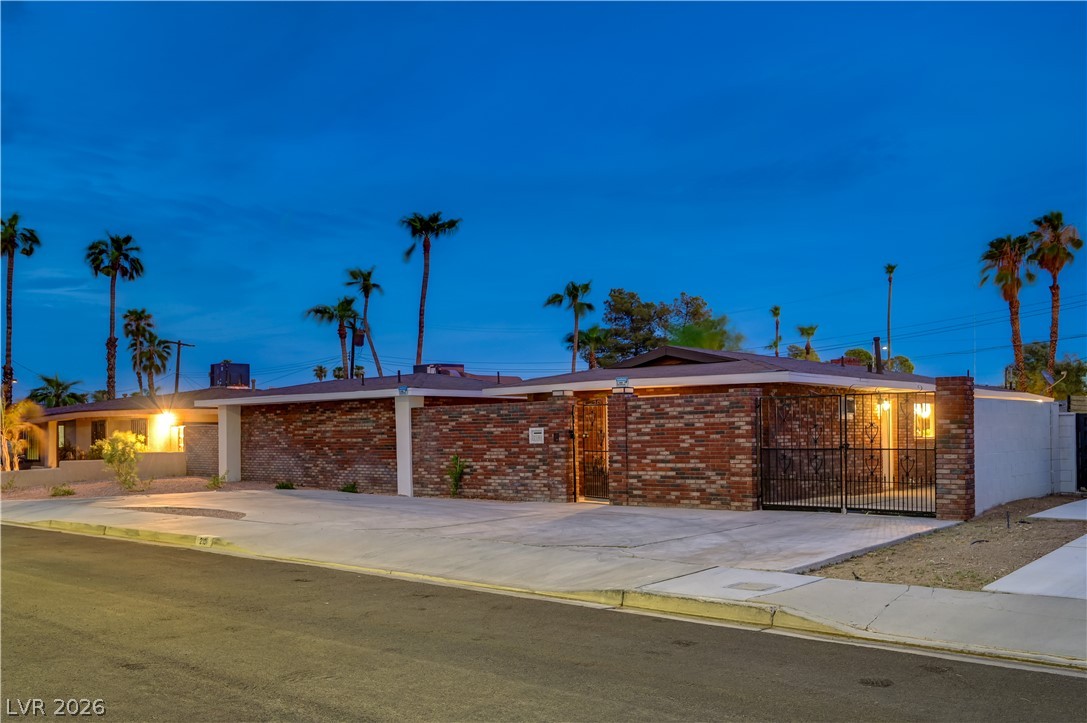
Las Vegas real estate offers a broad mix of property types, from high-rise condos and townhomes to single-family homes, guard-gated residences, golf course properties, modern new construction, and luxury estates. The market is especially diverse because the city includes both older established neighborhoods and newer master-planned communities.
Buyers looking for low-maintenance living may consider condos or townhomes near downtown, the Strip, Summerlin, or west-side dining and shopping areas. Those who want more space often explore single-family homes in northwest Las Vegas, Summerlin, Lone Mountain, Skye Canyon, or Centennial Hills. Luxury buyers may focus on communities with privacy, views, golf access, custom homes, and proximity to high-end amenities.
Because Las Vegas is spread across a large valley, location can make a major difference in lifestyle. A west-side home may offer fast access to Red Rock Canyon and Summerlin amenities, while a downtown property may place restaurants, entertainment, and arts venues close by. In the northwest valley, buyers may find newer homes, open desert views, and a more relaxed pace. Understanding these differences helps buyers choose not only the right home, but the right version of Las Vegas living.
Why People Love Living in Las Vegas, NV
People love living in Las Vegas because the city offers variety, convenience, and energy without requiring residents to live the same lifestyle. It can feel urban, suburban, luxurious, creative, outdoorsy, or quiet depending on where you live. That flexibility is one reason the city continues to attract new residents from across the country.
Lifestyle Variety
Residents can choose a high-energy urban district, a master-planned community, a golf course setting, or a quieter desert-edge neighborhood with mountain views.
Entertainment & Dining
Las Vegas offers world-class entertainment, strong local dining, professional sports, concerts, festivals, and everyday neighborhood favorites.
Outdoor Recreation
Red Rock Canyon, Lone Mountain, Floyd Lamb Park, local trails, golf courses, and nearby Mount Charleston make outdoor living easy to enjoy.
Convenient Living
Shopping centers, restaurants, fitness studios, medical offices, and major roadways make daily life practical across many parts of the city.
Neighborhood Choice
From Summerlin to the Arts District, Las Vegas gives buyers many different settings to compare before choosing the right place to live.
Desert Beauty
Mountain views, dramatic sunsets, open skies, and nearby conservation areas give the city a natural backdrop that many residents appreciate.
For anyone considering a move to Las Vegas, the best place to start is by comparing lifestyle first. Some buyers want walkability and nightlife. Others want schools, space, parks, or quick access to trails. Once you understand the feel of each area, it becomes easier to narrow the search and find a neighborhood that fits your long-term goals.