Are you torn between wide-open desert living and the convenience of a major metro area? If you are weighing Pahrump against Las Vegas as your next home base, you are not alone. The right fit depends on how you want to live day to day, what kind of home you want, and how much driving you are willing to do. Let’s break it down so you can make a confident choice.
Pahrump vs Las Vegas at a Glance
Pahrump and Las Vegas sit in the same broad Mojave Desert region, so you can expect arid conditions, low rainfall, and plenty of sunshine in both places. The bigger difference is not weather. It is how each place feels, functions, and supports your routine.
Pahrump is an unincorporated town in southern Nye County about 63 miles west of Las Vegas. Nye County describes it as a bedroom community, with many residents commuting to Las Vegas, while also attracting retirees and seasonal residents who want a more rural setting.
Las Vegas Valley offers the urban and suburban contrast. Clark County planning documents reflect a much wider range of residential density and housing forms, along with the services and activity that come with a larger metro area.
Why Buyers Choose Pahrump
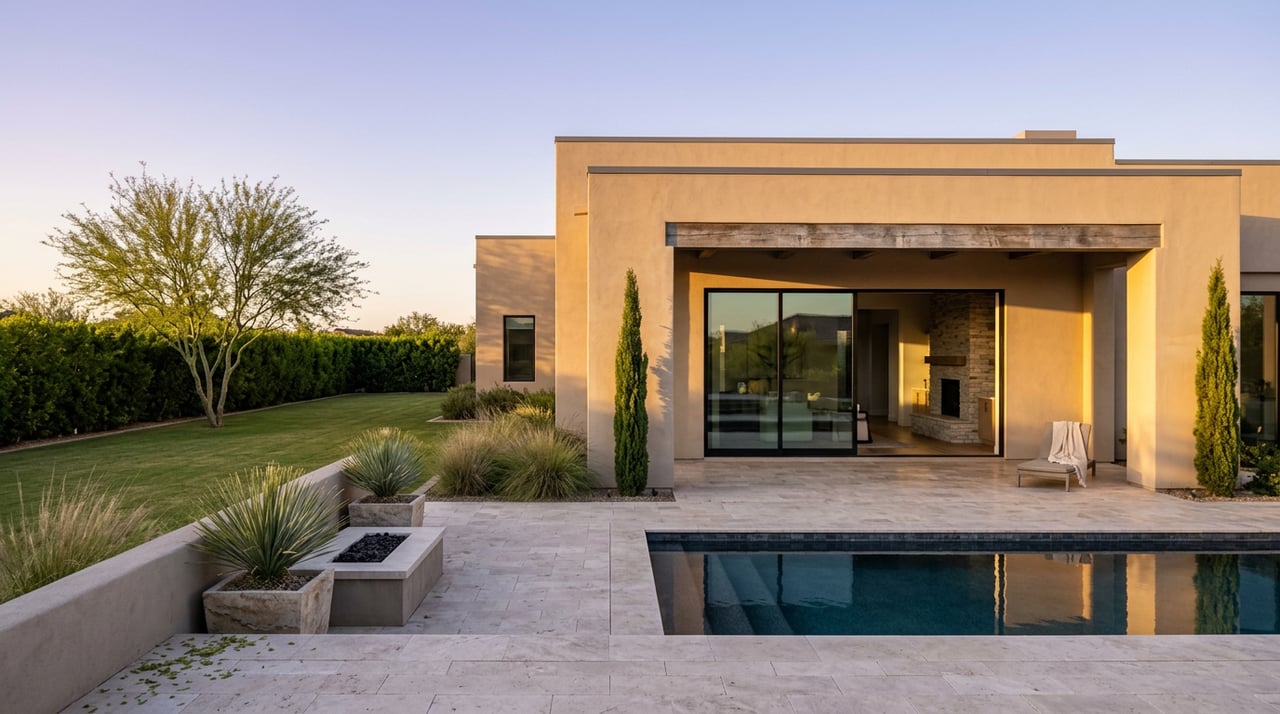
Pahrump often appeals to buyers who want more breathing room. Nye County planning documents point to the features local residents value most: the rural setting, available land, outdoor recreation, scenery, and the chance to see stars at night.
If you picture a quieter pace and more space around your home, Pahrump may feel like a natural fit. It is especially worth a closer look if you want a property that supports a more open lifestyle rather than a tightly packed neighborhood pattern.
Larger Lots and Rural Feel
Housing in Pahrump has been built mostly around single-family homes. That includes custom homes on owner-owned lots and tract homes in planned communities.
Nye County land-use guidance also helps explain the town’s layout. Rural density residential is intended for large-lot housing on parcels of 1 acre or more, while low-density residential covers suburban-style lots from one-quarter acre to 1 acre.
That land pattern shapes the experience of living there. In some fringe areas, homes may rely on wells and septic systems, and roads may be chip sealed or gravel, which reinforces the more rural feel.
A Slower Daily Pace
For some buyers, the appeal of Pahrump is less about square footage and more about rhythm. The area’s planning documents consistently describe a setting tied to open space, desert scenery, trails, bicycling, and equestrian use.
That does not mean life stops in Pahrump. It means your day may feel less compressed, with fewer signs of dense urban development and more visible open land.
Why Buyers Choose Las Vegas Valley
Las Vegas Valley tends to work well if you want more home choices and easier access to metro services. It is the region’s major commercial center, with a denser development pattern and a broader range of residential options.
If your priority is convenience, proximity, or variety, Las Vegas often checks more boxes. For many buyers, that translates into shorter drives for daily needs and more flexibility in the kind of neighborhood or property they choose.
More Housing Types
Clark County zoning allows for everything from suburban estates on lots of 10,000 square feet or more to compact urban-density districts with minimum lot areas as small as 1,800 square feet. That is a very different housing profile from Pahrump’s more open single-family pattern.
The valley also includes a broader mix of housing types, including single-family homes, condos, townhomes, apartments, and other higher-density options. If you want to compare several price points, lot sizes, or maintenance levels, Las Vegas gives you more formats to choose from.
Easier Access to Metro Amenities
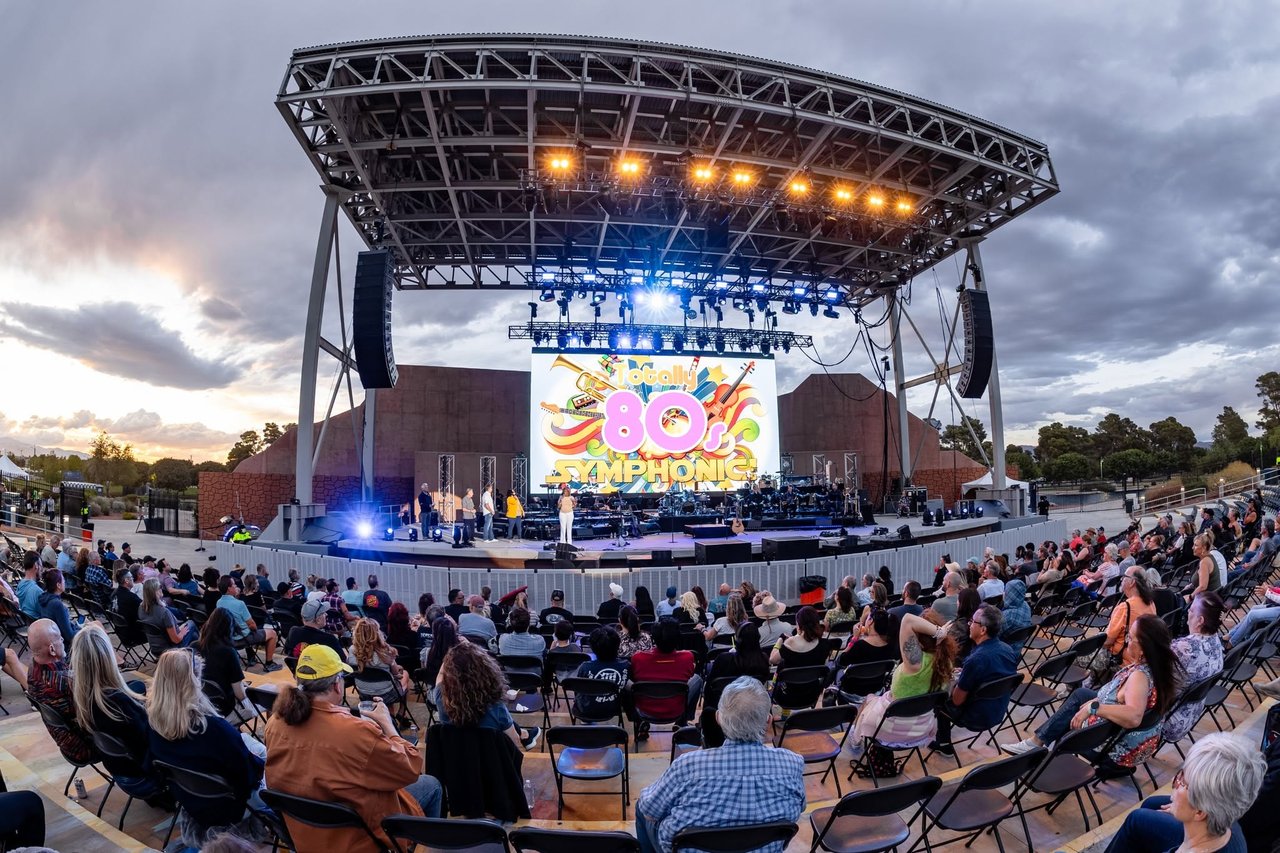
Las Vegas Valley is the more conventional urban home base. Jobs, shopping, appointments, entertainment, and many daily errands are generally easier to keep within the metro area.
Transportation also works differently there. The Regional Transportation Commission of Southern Nevada handles regional transit and transportation planning, though its materials note that traffic congestion remains an ongoing issue as the valley continues to grow.
Commute and Travel Reality
This is one of the biggest decision points between Pahrump and Las Vegas. Pahrump is connected to Las Vegas primarily by State Route 160, and Nevada Department of Transportation materials place that corridor at about 70 miles from Las Vegas Boulevard to Roadrunner Road in Pahrump.
That means Pahrump is not a quick suburban extension of Las Vegas. If you plan to commute frequently into the valley for work, services, or regular appointments, you need to be comfortable with longer drives and a car-dependent routine.
Nye County also notes that local transit options in rural areas can be limited. The county references low-cost door-to-door service and taxis, but also recognizes the broader challenge that rural transit may be minimal or unavailable.
By contrast, Las Vegas Valley buyers usually build their routine around metro access. Even with traffic, keeping your life centered inside the valley is often simpler if your job, healthcare, shopping, and regular activities are all there.
Outdoor Lifestyle Comparison
Both areas give you access to desert recreation, but the experience differs.
Pahrump’s planning documents place strong emphasis on parks, trails, open space, bicycling, and equestrian activity. The town also works well for buyers who expect to spend time exploring the desert by car.
The National Park Service notes that the fastest route from Las Vegas to Death Valley goes through Pahrump, with the full trip at about 120 miles and roughly 2 hours. If frequent desert-road trips or national park access matter to you, that is a practical advantage.
Las Vegas Valley, on the other hand, sits closer to several major recreation areas. Red Rock Canyon National Conservation Area is about 17 miles west of the Strip and offers hiking, climbing, biking, horseback riding, picnicking, and a scenic drive.
The valley is also near Lake Mead National Recreation Area for boating, fishing, camping, hiking, and scenic drives, plus the Spring Mountains National Recreation Area for hiking, summer mountain activities, and winter skiing. If you want a broader recreation menu within a shorter drive, Las Vegas has the edge.
How to Choose the Right Home Base
If you are deciding between Pahrump and Las Vegas, it helps to focus less on which place is better and more on which place fits your routine.
Here are a few questions to ask yourself:
- Do you want more land and a more open residential pattern?
- Are you comfortable with a longer drive to metro services?
- Would you rather have a wider mix of housing types?
- Do you want most errands, work, and appointments closer to home?
- Is a quieter, rural-feeling setting more important than urban convenience?
Your answers usually point clearly in one direction.
Pahrump May Fit You If
Pahrump may be the better match if you want:
- Larger lots or more open land around you
- A quieter, more rural-feeling setting
- A single-family home focus
- Room for uses associated with large-lot living where allowed by local land use
- Easy access toward Death Valley and desert open space
Las Vegas May Fit You If
Las Vegas Valley may be the better match if you want:
- More housing types, including condos and townhomes
- Smaller lots and denser neighborhood options
- Faster access to jobs, services, and entertainment
- A more conventional metro routine
- Better alignment with a lifestyle centered inside the valley
Final Thoughts on Pahrump or Las Vegas
Choosing between Pahrump and Las Vegas comes down to your priorities. Pahrump offers space, a rural feel, and a slower pace, while Las Vegas offers variety, convenience, and stronger metro access.
Neither option is one-size-fits-all. The best move is the one that matches how you actually want to live, drive, and use your home every day.
If you are comparing neighborhoods, lot types, or home styles in either market, working with a local team can make the process much clearer. For grounded guidance across both Las Vegas Valley and Pahrump, connect with Greg Clemens.
FAQs
Is Pahrump considered part of the Las Vegas metro area for daily living?
- Pahrump is closely connected to Las Vegas, but Nye County describes it as a bedroom community rather than a typical close-in suburb, and the drive is substantial enough to shape daily life.
What kind of homes are most common in Pahrump, Nevada?
- Pahrump is primarily made up of single-family homes, including custom homes on individual lots and tract homes in planned communities.
How is Las Vegas Valley housing different from Pahrump housing?
- Las Vegas Valley offers a wider mix of housing types and densities, including single-family homes, condos, townhomes, apartments, and compact lot options.
Is commuting from Pahrump to Las Vegas realistic?
- Many residents do commute from Pahrump to Las Vegas, but the route along State Route 160 is about 70 miles corridor-wide, so it is best suited to buyers who are comfortable with longer drives.
Which area is better for outdoor recreation, Pahrump or Las Vegas?
- Both offer strong outdoor access, but Pahrump stands out for open space and Death Valley access, while Las Vegas is closer to major recreation areas like Red Rock Canyon, Lake Mead, and the Spring Mountains.
Should you choose Pahrump or Las Vegas if you want more land?
- If more land is a top priority, Pahrump is typically the stronger fit because its planning framework includes large-lot residential patterns that are less common in the Las Vegas Valley.